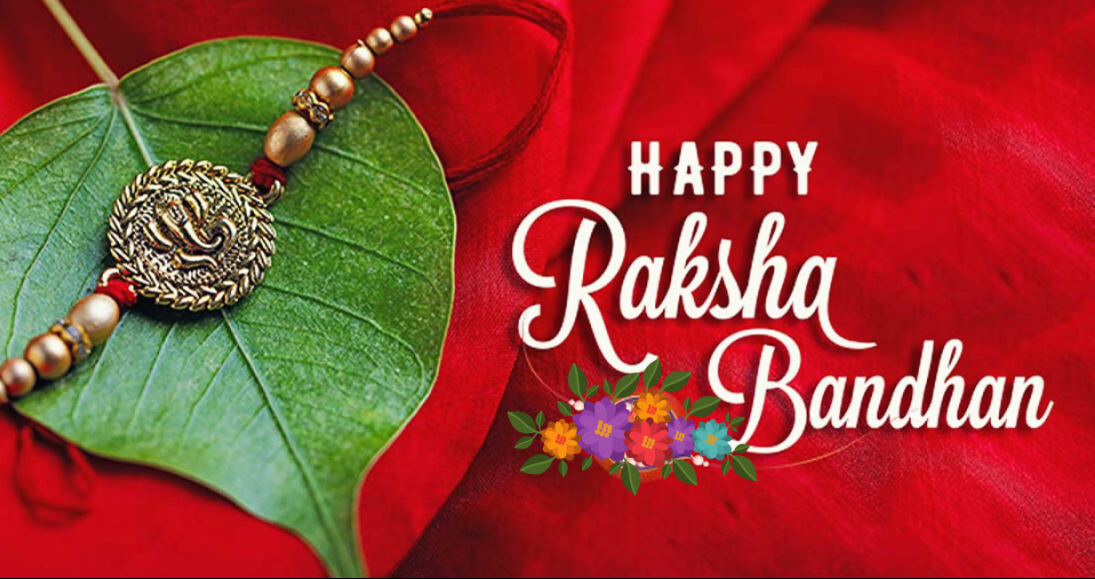
One of the oldest, mostly anticipated and most cheerful festival, Rakshabandhan, is celebrated every year on the full moon day of Hindu Month Shrawan (August). Rakshabandhan is derived from the Sanskrit word “Rakshabandhanam” where Raksha means “to protect” and Bandhanam means “bond”. Thus, this festival symbolizes the untiring love and bond of protection between brother and sister.
Rakshabandhan is celebrated widely among Hindu communities especially in Nepal and India. However, these days not only Hindu community but other group of people also do put Rakhi in their sibling’s hands to celebrate their love and bonding. It is a joyous festival commemorated to strengthen the love and the pious bonding between brother and sister.
Rakshabandhan Celebration
On this day, sisters tie a Rakhi “sacred thread of protection” in her brother’s wrist with much love and prays for their long/healthy life, and prosperity, and in return brother’s promises to be by their sister’s side while protecting her from any kind of problems, and wishes for the eternal sibling love and bonding. Also, to make the celebration blissful, brothers gives gifts, chocolates or whatever as a present to sisters.
Excitement of making delicious food for the brothers, and excitement of surprising the sisters with gift, shows that this is one of the mostly followed ancient tradition, which charm has not diminished even after the ages of eternity.
It is beyond the blood by relation
Rakshabandhan is a festival for siblings. But those men and women who are not siblings (blood by relation) are also knotted in a siblings’ relationship after tying Rakhi. Though it is said to be the Hindu culture, the practice has gone beyond the religious community. To celebrate the siblings bonding, people from different caste divisions, groups are acknowledging this culture.
History/Mythology
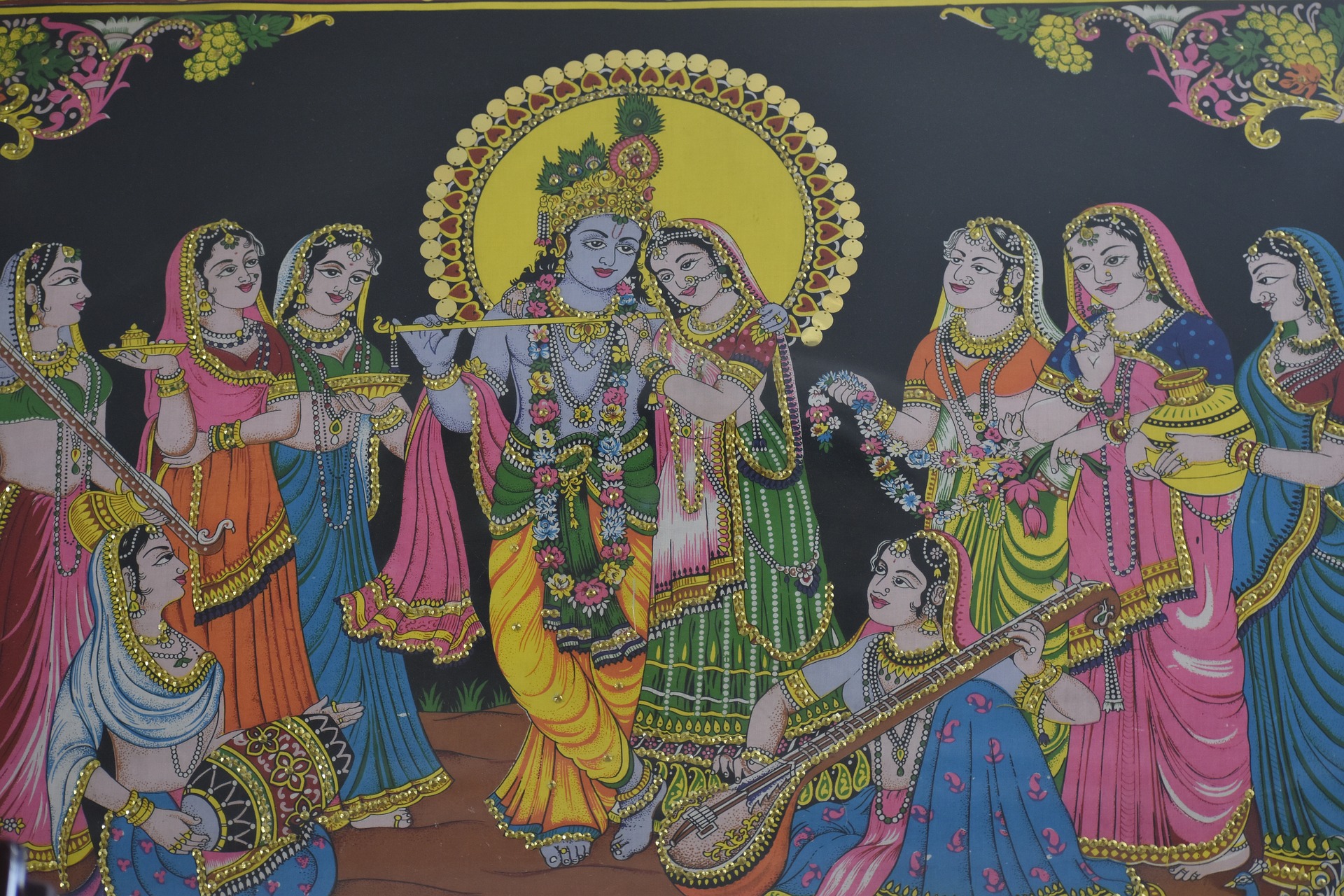
Krishna and Draupadi: Though Lord Krishna and Draupadi were not brother and sister by blood, they shared a strong bond and love as a real sibling. As mentioned in the epic Mahabharata, once when Lord Krishna accidently cut his finger, Rukmini including other consorts of Krishna rushed to get clothes and help, however, Draupadi (wife of Panch/5 Pandava) simply tore off the part of her cloth and bandaged the finger of Lord Krishna. Being impressed with this act of Draupadi, Krishna promised to protect her whenever in need.
Yama and Yamuna: Mythology says that, Yamuna (river goddess) was not visited by her brother Yama (god of death) for a longer time because of which she was very sad. However, when Yama visted his sister after such a long time, Yamuna was so happy that she prepared lots of delicious foods for Yama. Seeing the happiness and love of his sister Yama was impressed and agreed to visit his sister every year and thus made her immortal in the form of river. Since, that day, the festival Rakshabandhan is said to come into existence.
Rani Karnavati and Emperor Humayun: Dating back to 1535 CE, Rani Karnavati, the widowed queen of Chittor, did send Rakhi to the Mugal Emperor Humayun, giving him the status of her brother, and seeking help to protect her state from the attack of the Sultan of Gujrat. On getting the Rakhi and help for protection, Mugal King immediately rushed with his warriors. Since then rakhi is also related to these noble people from different religion. However, before he reached Chittor, the war was already broken and queen had sacrificed herself with other noble ladies in a mass suicide fire called Jauhar.
There are more other tales and histories related to Rakshabandhan, and what all shows is the selfless love and bonding between brother and sister, either by blood or by heart.
In Nepal, the same day of Rakshabandhan is also celebrated as Janai Purnima.
Janai Purnima
It is a most sacred festival celebrated in the day of Rakshabandhan in the Brahman and Chhetri community of Nepal. Janai means a holy thread and Purnima means full moon. This day, men perform a ritual for changing their Janai worn across their chest. This ritual is practiced by male group who have performed a ritual of Bratabandhan (symbol to show that a boy has reached his manhood and is ready to perform religious rules and rituals).
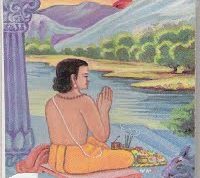
This day sees a large number of Brahmins at the holy river sides, taking dips in the holy river, perming pujas and changing sacred thread (Janai).